The Importance of Heating And Cooling Expertise: Uncovering Reasons For AC Problems for House Owners
Homeowners commonly overlook the importance of understanding their heating and cooling systems. Recognizing typical indicators of cooling issues can cause prompt treatments. Concerns like not enough cooling or uncommon noises are not simply aggravations; they can suggest deeper worries. By checking out the source of these troubles, house owners can enhance system effectiveness and extend its life-span. What are one of the most common problems that can emerge, and exactly how can they be properly addressed?
Usual Indications of Air Conditioner Troubles
How can property owners determine concerns with their air conditioning systems prior to they escalate? Identifying typical indications of a/c troubles is important for timely upkeep. One common indicator is insufficient cooling; if the cooling system falls short to lower the indoor temperature level, it may signal underlying concerns. Uncommon noises, such as grinding or hissing, can additionally indicate mechanical failings or loosened elements - air conditioner repair. In addition, house owners should watch out for weird odors originating from the system, which might suggest mold and mildew growth or electrical troubles. Frequent cycling on and off, recognized as short cycling, can suggest thermostat issues or cooling agent leakages. An increase in power costs without a corresponding increase in use may aim to inadequacy. By staying alert to these indication, property owners can protect against much more considerable issues and pricey repairs, ensuring their cooling systems operate efficiently throughout the warmer months
Understanding Refrigerant Issues
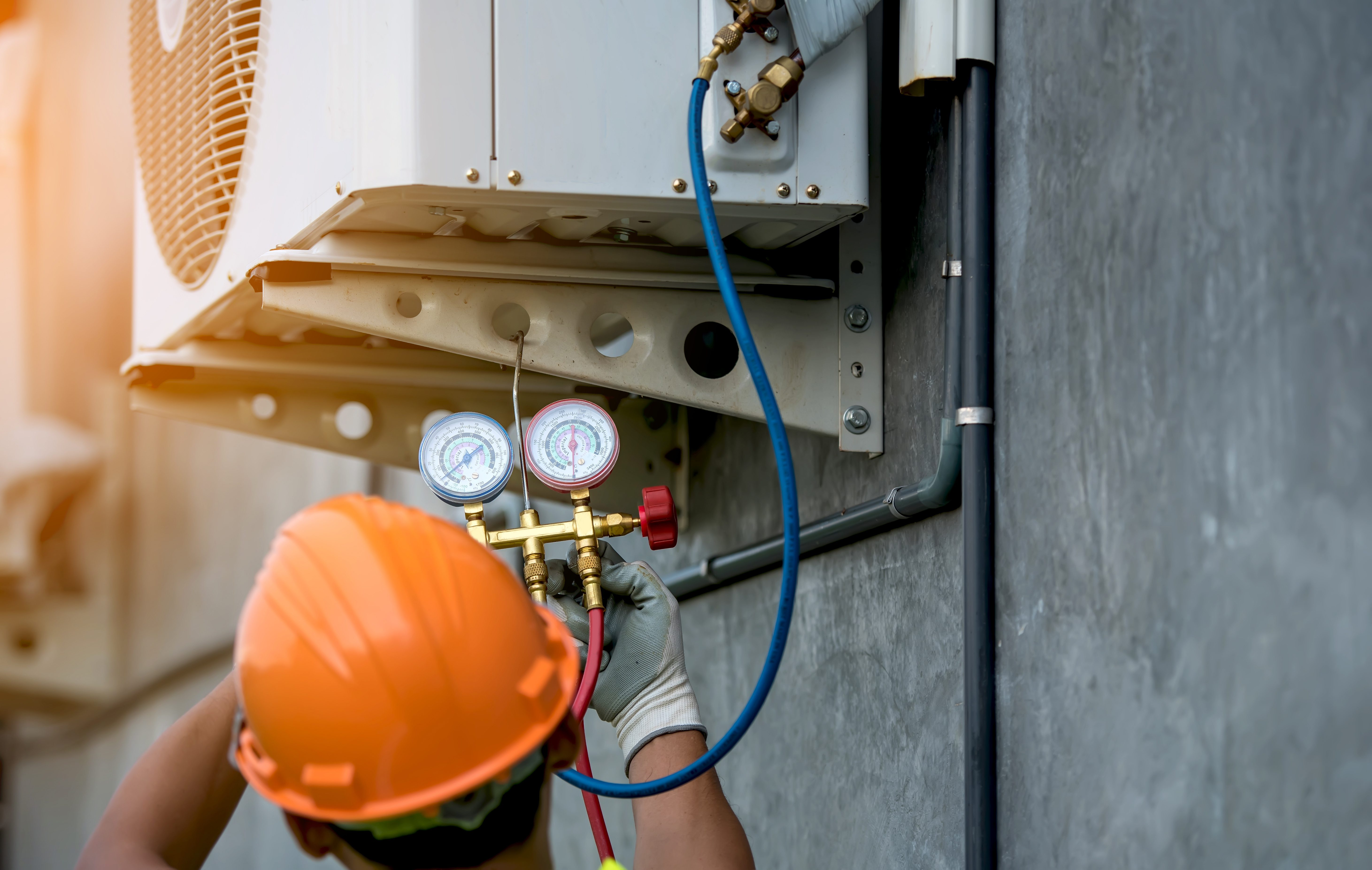
Refrigerant problems can significantly affect the efficiency of a cooling and heating system. House owners ought to know the indications of low cooling agent levels and the importance of discovering cooling agent leaks. Addressing these issues quickly can avoid more damage to the system and warranty top cooling down efficiency.
Low Refrigerant Degrees
A common concern that property owners might experience with their cooling and heating systems is reduced refrigerant levels, which can substantially influence the system's efficiency and efficiency. Refrigerant is crucial for the cooling procedure, taking in warmth from indoor air and releasing it outside. When levels drop, the cooling device struggles to cool down the space successfully, bring about boosted power intake and potential system stress. Symptoms of low refrigerant consist of insufficient air conditioning, longer run times, and ice development on the evaporator coils. House owners might also observe uncommon noises as the compressor works harder to make up for the shortage. It is necessary for property owners to comprehend the value of maintaining appropriate refrigerant degrees to ensure peak heating and cooling efficiency and long life.
Refrigerant Leaks Discovery
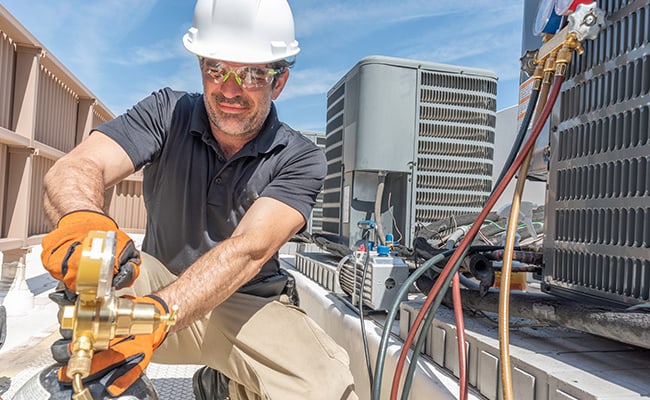
Where might a home owner start when confronted with the possibility of refrigerant leaks in their heating and cooling system? The first step includes keeping an eye on the system's efficiency. Indicators such as reduced cooling effectiveness, ice development on coils, or hissing noises may indicate a refrigerant leak. Property owners must also inspect for visible signs of oil deposit, usually an indicator of a leakage. Utilizing a refrigerant leak detector can provide more exact identification. If uncertainties continue, speaking with a licensed HVAC technician is essential, as they have the proficiency and equipment to find leakages successfully. Prompt detection and repair work of refrigerant leakages not only boost system performance however likewise protect against possible environmental injury, making it a vital aspect of heating and cooling upkeep.
Electric Failures and Their Effect
Electrical failures can substantially impact HVAC systems, specifically via concerns like circuit breaker malfunctions and damaged electrical wiring. These problems not only disrupt the system's efficiency but can also bring about expensive repairs and security dangers. Comprehending the effects of such failures is essential for house owners to maintain an effective and safe a/c environment.
Breaker Issues
Just how can breaker concerns influence the efficiency of an a/c system? Circuit breakers work as vital security tools that take care of electrical flow to a/c units. If a breaker trips frequently, it disrupts power supply, causing irregular heating or cooling. This can create substantial strain on the system, causing ineffective operation and possible damage to elements. Home owners might see enhanced energy costs due to the a/c system's struggle to maintain desired temperatures. Additionally, duplicated disruptions from tripped breakers can shorten the life expectancy of the air conditioner device, requiring expensive fixings or substitutes. Normal upkeep of breaker is essential, as it ensures a stable power supply, ultimately enhancing the total efficiency of the HVAC system.
Faulty Wiring Outcome
Frequently overlooked, malfunctioning circuitry can have dire consequences for heating and cooling systems. Circuitry problems may cause short circuits, causing constant break downs and raised repair service expenses. On top of that, incorrect electrical wiring can trigger inefficient power use, resulting in higher energy bills and pressure on the system. In serious situations, malfunctioning wiring can trigger electric fires, presenting a significant safety and security threat here are the findings to home owners. In addition, these electrical failures can harm cooling and heating elements, resulting in pricey substitutes or considerable fixings. House owners need to prioritize routine assessments by qualified specialists to identify and fix wiring problems prior to they rise. Understanding the implications of damaged circuitry can aid ensure the durability and safety and security of a/c systems, ultimately protecting both the home and its occupants.
Clogged Filters and Their Consequences
While many homeowners might ignore the significance of regular filter maintenance, stopped up filters can result in substantial repercussions for cooling and heating systems. When filters become obstructed with dirt, dust, and debris, air flow is restricted. This reduction in air flow requires the system to function harder, bring about increased power consumption and potentially higher energy costs. Gradually, this strain can create damage on parts, causing early system failure.
Furthermore, blocked filters can jeopardize interior air quality. Contaminants and allergens may flow throughout the home, worsening respiratory system concerns and allergic reactions for passengers. Poor air flow can cause the evaporator coil to ice up, leading to pricey repairs and ineffective air conditioning performance. Consistently transforming or Read More Here cleaning filters is a basic yet necessary maintenance job that can help assure the long life and performance of HVAC systems, eventually benefiting both the house owner's convenience and their financial resources.
Thermostat Malfunctions Discussed
What takes place when a thermostat malfunctions can substantially influence both convenience and energy effectiveness in a home (AC repairman). A damaged thermostat may stop working to precisely check out the temperature level, leading to overcooling or inadequate cooling. This inconsistency can trigger discomfort for occupants and result in higher energy costs, as the heating and cooling system works more difficult than required
Common issues consist of dead batteries, which can render electronic thermostats inoperative, and loosened electrical wiring that interrupts communication between the thermostat and the heating and cooling unit. Furthermore, obsolete or badly calibrated thermostats might not react appropriately to temperature level changes, additionally worsening power ineffectiveness.
Home owners must be vigilant for indicators of malfunction, such as inconsistent temperature levels or unforeseen energy expenses. Normal checks and understanding of the thermostat's capability can help determine problems early, guaranteeing peak efficiency of the heating and cooling system. Dealing with thermostat issues immediately is necessary for keeping a comfy living environment and managing power intake efficiently.
The Role of Routine Maintenance
Regular upkeep plays a crucial function in making sure the long life and efficiency of a/c systems. Homeowners that focus on routine checks can prevent minor concerns from rising into expensive fixings. Regular upkeep usually includes tasks such as cleansing filters, checking ductwork, and examining refrigerant degrees. These tasks help preserve ideal air flow and system efficiency, decreasing power intake.
A well-maintained Cooling and heating system operates much more effectively, supplying regular convenience throughout the home. Normal tune-ups can also prolong the life expectancy of the unit, resulting in significant savings with time. Homeowners are urged to arrange professional assessments at least annually to recognize potential troubles early.
Furthermore, several makers need routine maintenance to maintain service warranties, making this technique not just beneficial however frequently needed. On the whole, understanding the value of regular upkeep empowers property owners to protect their cooling and heating systems versus unexpected failures and enhance their financial investment in look at this web-site home convenience.
Frequently Asked Questions
How Can I Boost My Air conditioner's Power Efficiency?
Improving an a/c's energy efficiency involves normal maintenance, cleansing or changing filters, sealing ductwork, guaranteeing proper insulation, using programmable thermostats, and scheduling expert assessments to determine and rectify prospective concerns influencing performance.
What Is the Life expectancy of a Typical Air Conditioning Unit?
A regular a/c system has a lifespan of 15 to 20 years, depending upon upkeep, use, and ecological variables. Regular upkeep can considerably expand its operational life and enhance general efficiency.
When Should I Replace My Air Conditioning System?
An a/c system must usually be replaced every 10 to 15 years. Indications for replacement consist of frequent repair work, increasing power expenses, and not enough cooling, suggesting that an upgrade might be extra cost-efficient and efficient.
Can I Troubleshoot A/c Troubles Myself?
Yes, individuals can fix air conditioner problems themselves by checking filters, making certain power supply, and evaluating for noticeable issues (AC repairman). Nevertheless, complicated problems often require expert help for exact diagnosis and safe repair, guaranteeing optimal system performance
Exactly how Do I Select a Reputable A/c Professional?
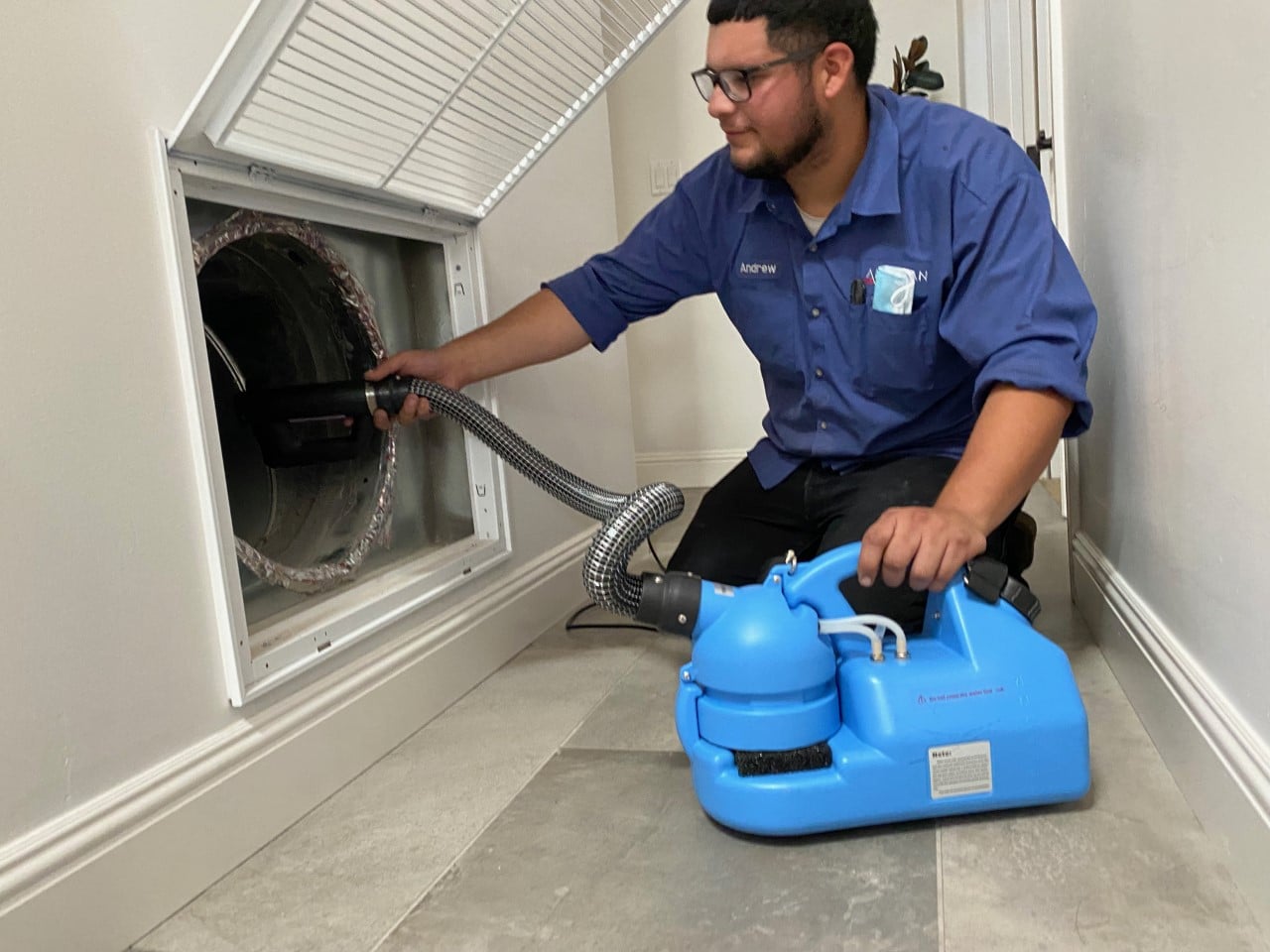
To choose a dependable heating and cooling professional, one need to look for suggestions, inspect online testimonials, verify licenses and insurance, examine experience, and request thorough estimates to assure high quality service and reasonable prices prior to making a decision.
Verdict
To sum up, a strong understanding of a/c systems allows property owners to properly identify and resolve common air conditioning problems. Identifying signs such as insufficient air conditioning or increasing energy costs permits timely interventions, which can considerably enhance system performance and durability. By remaining notified about prospective troubles like cooling agent leaks, electric failings, and clogged filters, house owners can take aggressive measures to maintain their systems, ultimately guaranteeing convenience and promoting a much healthier living setting. Routine upkeep stays key to this undertaking.